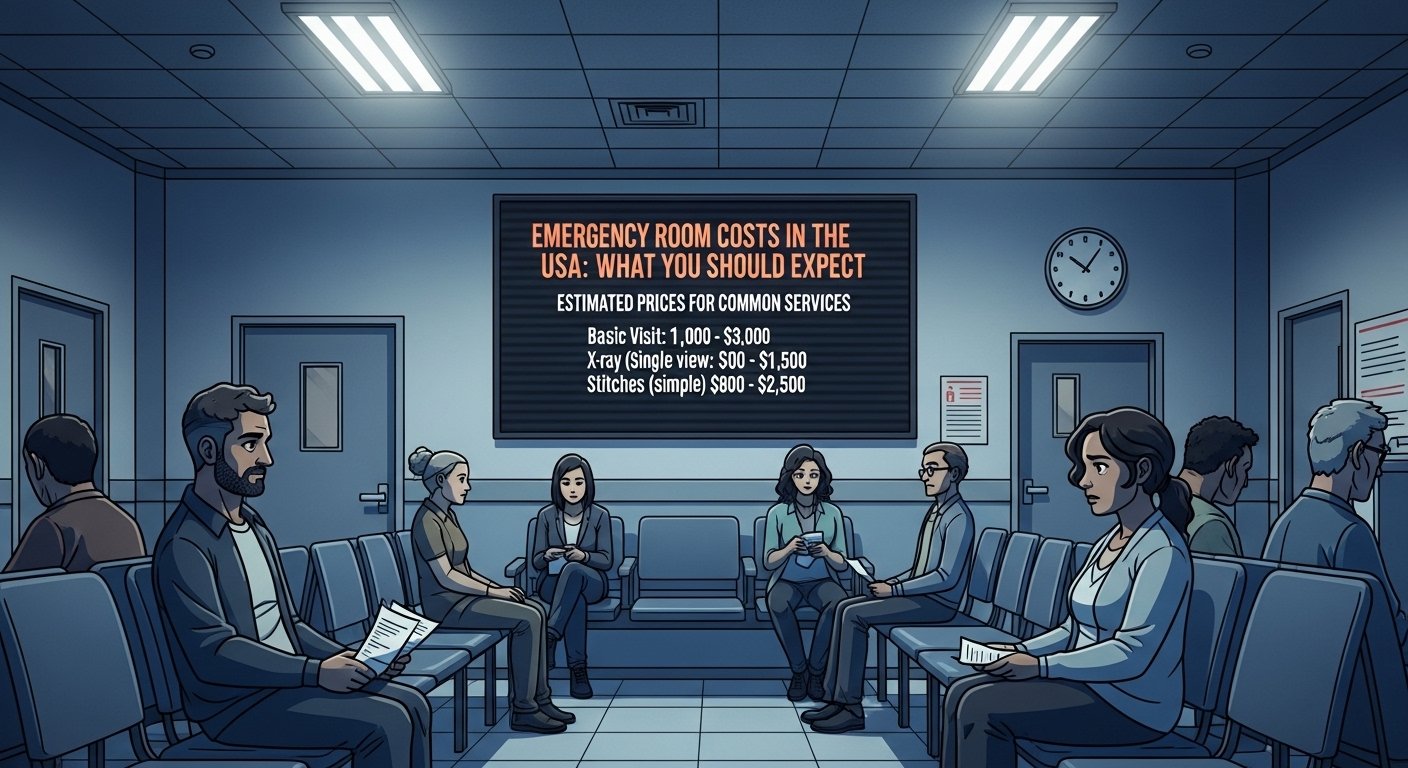
Emergency room (ER) costs in the USA can vary widely based on several factors, including location, the severity of the medical issue, and whether you have health insurance. Here’s what you should expect:
1. Average Costs
- Initial Visit: A visit to the ER can typically range from $150 to over $3,000 depending on the complexity of your situation and geographic location.
- Common Services: Basic evaluations can cost about $750 or more. More advanced procedures like X-rays or CT scans can add significantly to your bill.
2. Factors Affecting Costs
- Location: ER costs tend to be higher in urban areas compared to rural settings.
- Hospital Type: Private hospitals may charge more than public or community hospitals.
- Severity: Critical cases often lead to more extensive (and expensive) treatments.
3. Insurance Considerations
- In-Network vs. Out-of-Network: If you are treated at an out-of-network facility, your costs can be significantly higher. Always check your insurance’s network.
- Co-Pays and Deductibles: Depending on your insurance plan, you might pay a co-pay for ER visits. Deductibles may also apply, meaning you’ll pay out of pocket until you meet a certain amount.
4. Uninsured Patients
- If you’re uninsured, you’ll be billed for the full cost. Hospitals may offer payment plans or financial assistance, but it’s important to discuss options upfront.
5. Additional Costs
- Follow-Up Care: After the ER visit, you may need follow-up appointments or testing that can increase your overall costs.
- Medications: Prescriptions given during your visit can also add to expenses.
6. Geographical Variations
- States with higher healthcare costs (e.g., California, New York) typically have higher ER prices compared to other states (e.g., Texas or Florida).
7. Tips for Managing Costs
- Know Your Insurance: Understand your plan’s ER coverage.
- Ask About Pricing: Inquire about costs before receiving extensive treatments.
- Use Urgent Care When Possible: For non-life-threatening issues, urgent care centers are often more cost-effective.
8. Emergency Situations
- Always seek emergency care if needed, regardless of cost. Health should be the priority, especially in life-threatening situations.
Understanding these aspects can help you navigate the financial implications of an ER visit and make informed decisions based on your healthcare needs.