Cancer treatment costs in the USA can vary widely based on numerous factors, including the type of cancer, stage of the disease, treatment type, geographic location, and the healthcare provider. Here’s a general breakdown of potential costs associated with cancer treatment:
1. Diagnosis and Initial Consultation
- Imaging Tests (X-rays, CT scans, MRIs): $300 – $3,000 each
- Biopsy: $1,000 – $7,000
- Blood Tests: $100 – $500
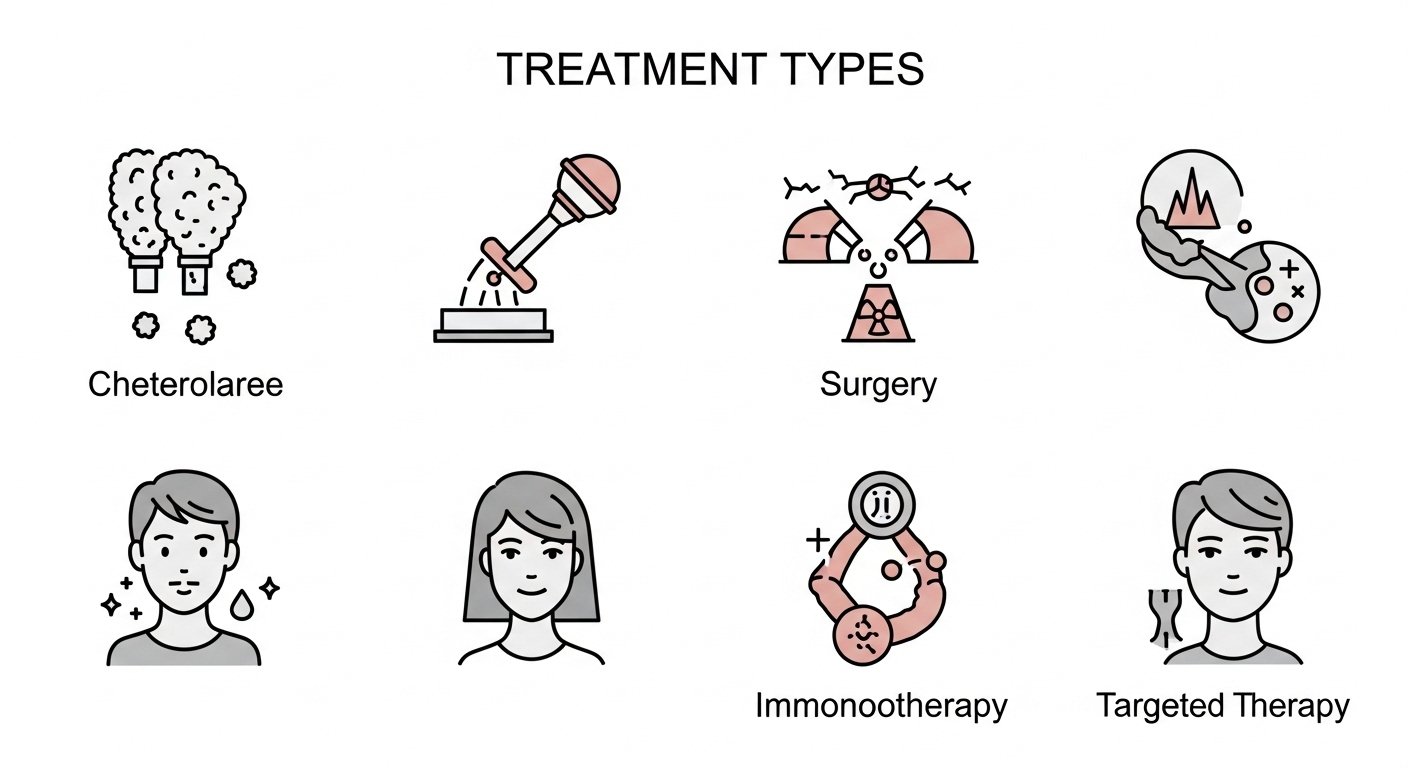
2. Treatment Types
- Surgery:
- Minor surgeries: $10,000 – $20,000
- Major surgeries: $20,000 – $100,000 or more
- Chemotherapy:
- Per session: $1,000 – $12,000
- Total for multiple sessions: $10,000 – $100,000+
- Radiation Therapy:
- Per treatment: $1,000 – $5,000
- Total for a complete course (typically several weeks): $20,000 – $50,000+
- Immunotherapy:
- Per session: $10,000 – $30,000
- Total may exceed $100,000
- Targeted Therapy:
- Monthly: $10,000 – $30,000
3. Additional Costs
- Medications: Varies widely based on the type and length (can range from hundreds to thousands of dollars per month).
- Hospital Stays: $2,000 – $15,000 per day.
- Palliative Care or Hospice Services: Varies significantly based on services.
4. Insurance Coverage
- Many insurance plans cover a significant portion of cancer treatment costs, but this varies:
- Deductibles: Can range from $1,000 to $10,000+
- Copays and Coinsurance: Usually a percentage of the total cost (e.g., 10% to 30%).
- Out-of-pocket maximums: May be $5,000 to $15,000 depending on the plan.
5. Financial Assistance
- Non-profit organizations and pharmaceutical companies may provide assistance for eligible patients.
- Government programs (e.g., Medicaid, Medicare) offer support for low-income patients and seniors.
Conclusion
The total cost of cancer treatment can range from tens of thousands to over a million dollars depending on the complexity and length of treatment. Patients are encouraged to be proactive about understanding their insurance benefits and exploring available financial assistance programs.