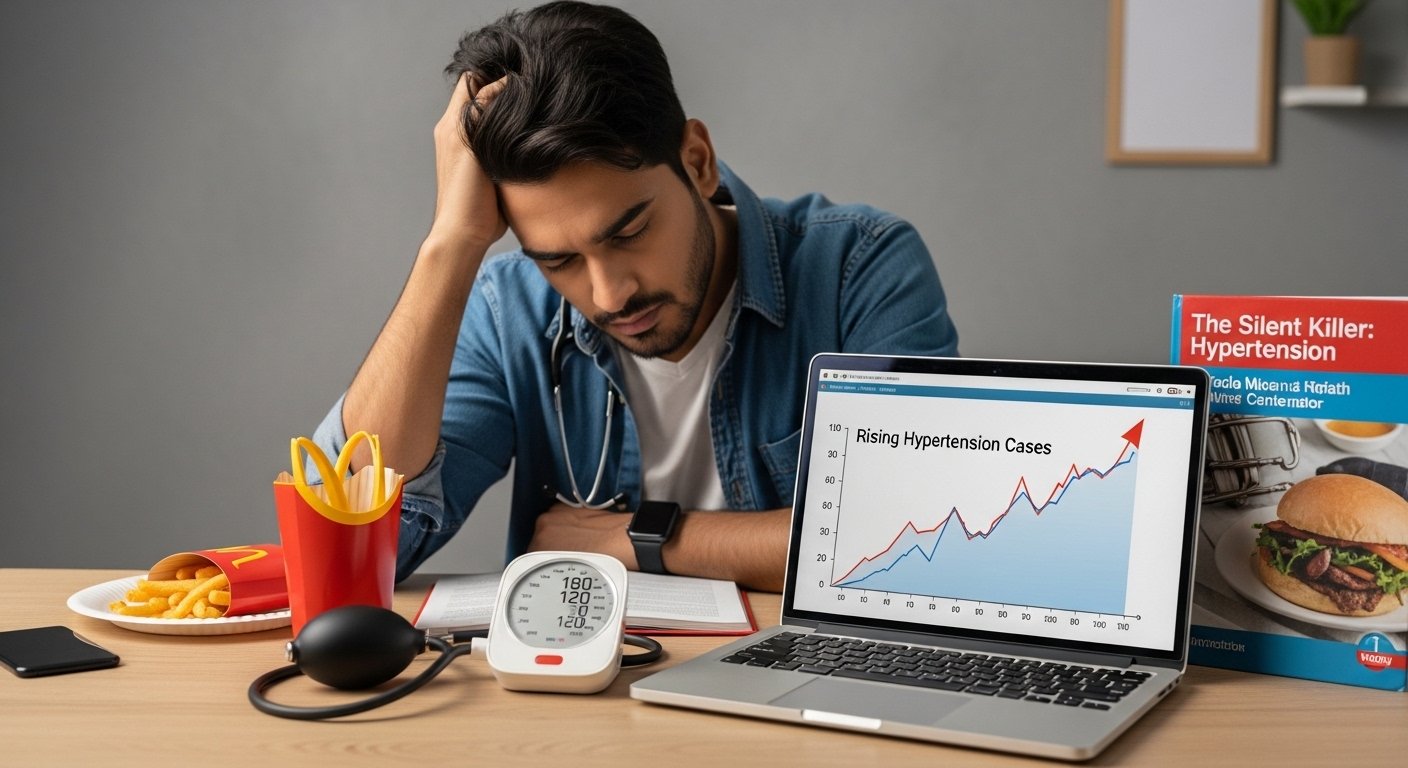
Hypertension, or high blood pressure, is increasingly becoming a prevalent health concern among younger populations, notably in India’s Gen Z demographic. Here are some key factors contributing to this alarming trend.
1. Sedentary Lifestyle
With the rise of digital technology, many individuals in their 20s are leading more sedentary lifestyles. Prolonged screen time and less physical activity contribute significantly to weight gain and increased blood pressure.
2. Dietary Choices
Young people often gravitate towards convenience foods that are high in sodium, sugars, and unhealthy fats, which can lead to hypertension. Traditional diets rich in fruits, vegetables, and whole grains are often replaced with fast food and processed snacks.
3. Stress and Mental Health
The pressures of academic performance, career expectations, and social media can lead to chronic stress. High cortisol levels due to stress can contribute to elevated blood pressure.
4. Genetics and Family History
Genetic predisposition also plays a critical role. If hypertension runs in families, younger individuals are at higher risk, regardless of lifestyle choices.
5. Lack of Awareness and Screening
Many young adults are unaware of their blood pressure status. Regular screening is often overlooked, leading to undiagnosed conditions that can progress without symptoms until serious issues arise.
6. Substance Use
The consumption of alcohol and tobacco is prevalent among younger adults and can significantly affect blood pressure. Binge drinking and smoking are linked to an increased risk of developing hypertension.
7. Poor Sleep Patterns
Sleep deprivation and disrupted sleep patterns can adversely affect blood pressure regulation. Many young adults sacrifice sleep for studies, socializing, or screen time, ultimately impacting their health.
8. Urbanization and Environmental Factors
Rapid urbanization in India leads to increased pollution and stress, both of which are risk factors for hypertension. Noise pollution and poor air quality can directly affect cardiovascular health.
Conclusion
Hypertension in Indian 20-somethings is a growing public health concern that requires immediate attention. Early awareness, lifestyle modifications, and regular health screenings are vital for preventing hypertension and its long-term health consequences. Addressing mental health and promoting healthy dietary and physical activity habits must become a collective effort to ensure a healthier future for Gen Z.